Our Services
- Elderly Mobility & Falls Prevention
- Stroke & Neurological Rehabilitation
- Post-operative Rehabilitation
- Musckuloskeletal & Orthoapeadic rehabilitation
- Physiotherapy in Care Homes
- Case Management
- Cancer- related Rehabilitation
- Paediatric Physiotherapy
- Orthopaedic Physiotherapy
- Personalised Rehabilitation Plans
- Private Physio
- For Care Homes
Our Services
- Elderly Rehabilitation & Falls Prevention
- Stroke & Neurological Rehabilitation
- Post-Operative & Orthopaedic Rehabilitation
- Muscle and Joint Injuries
- Physiotherapy in Care Homes
- Physiotherapy for Frailty & Deconditioning
- Physiotherapy after Hospital Discharge
- Case Management
- Cancer-Related Rehabilitation
- Paediatric Physiotherapy
- Personalised Rehabiliation Plans
- Private Physio
- For Care Homes

What is Neurological Physiotherapy?
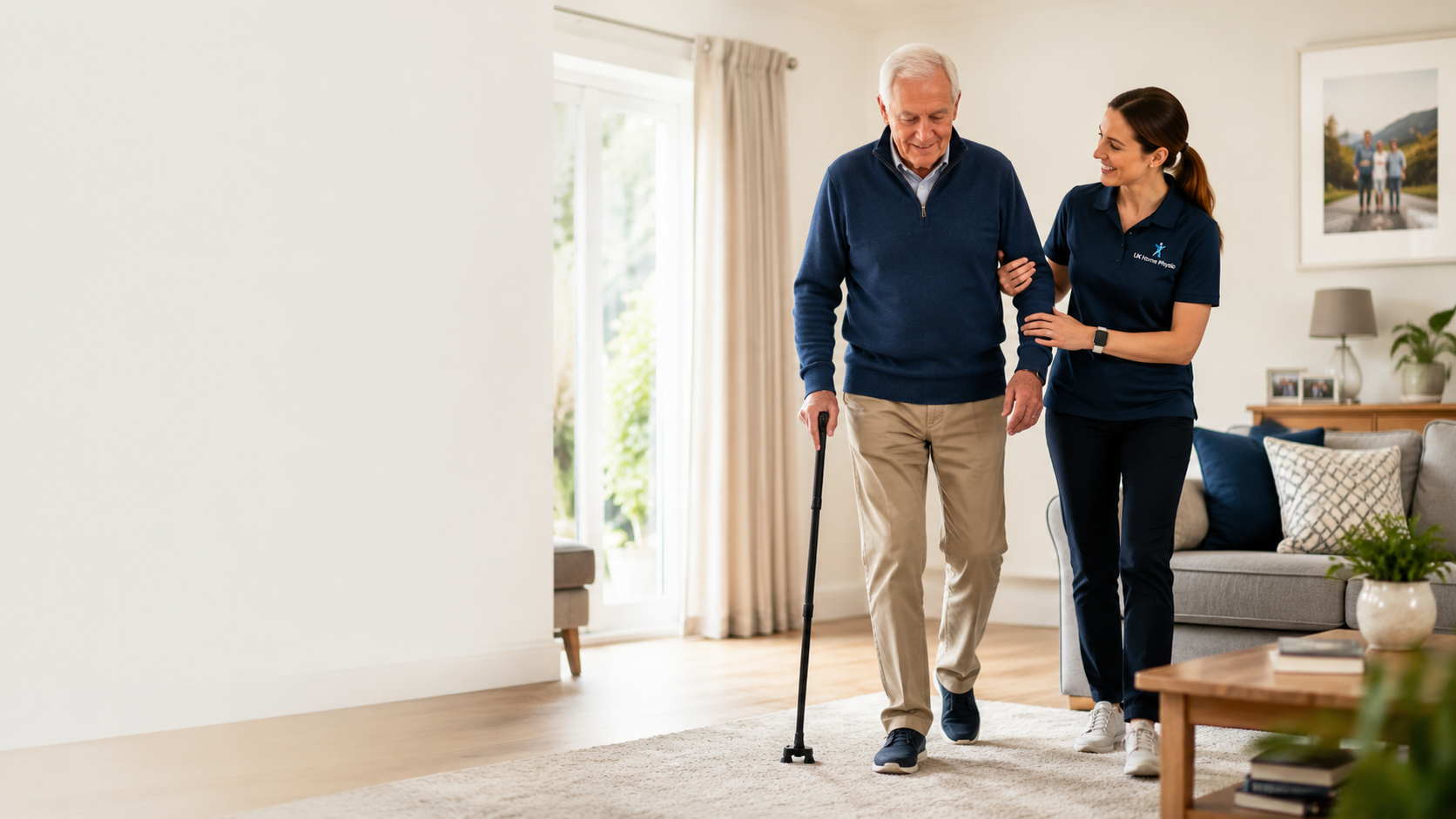
Neurological physiotherapy, also known as neuro physiotherapy, is a specialised area of physiotherapy focused on supporting individuals affected by conditions involving the brain, spinal cord, and nervous system. These conditions may arise from injury, trauma, or neurological disorders, often impacting movement, balance, strength, coordination, and overall function.
Through evidence-based rehabilitation techniques and personalised treatment plans, neurological physiotherapy aims to improve mobility, restore independence, and enhance quality of life. By addressing each individual’s unique challenges and goals, neuro physiotherapy helps patients regain confidence in everyday activities while promoting long-term physical and emotional well-being.
How Does Neurological Rehabilitation Support Functional Independence?
Neurological conditions can have a significant impact on daily life, affecting mobility, independence, confidence, and overall well-being. Conditions such as stroke, Parkinson’s disease, multiple sclerosis, and brain or spinal injuries often present complex physical, cognitive, and emotional challenges that require specialist care and support.
Neurological rehabilitation plays a vital role in helping individuals regain function, improve movement, and adapt to everyday activities with greater confidence. Neuro physiotherapists are highly trained in managing complex neurological conditions and designing personalised treatment programmes tailored to individual needs and rehabilitation goals. The focus of rehabilitation extends beyond physical recovery – it also aims to enhance mental and emotional well-being, empowering individuals to achieve the best possible quality of life throughout their rehabilitation journey.
What happens during neurological physiotherapy assessment process?
A detailed assessment is basis of effective neurological rehabilitation. Our skilled neuro physiotherapists do in-depth assessment with the aim of getting a clear picture of each patient’s specific needs and limits. The process entails:
Neurological Physiotherapy: Assessment and Diagnosis
A detailed assessment is basis of effective neurological rehabilitation. Our skilled neuro physiotherapists do in-depth assessment with the aim of getting a clear picture of each patient’s specific needs and limits. The process entails:

Past medical history information
A detailed assessment is basis of effective neurological rehabilitation. Our skilled neuro physiotherapists do in-depth assessment with the aim of getting a clear picture of each patient’s specific needs and limits. The process entails:

Physical assessment
Determining the strength of muscles, flexibility, coordination and motion range of the joints to detect eventual concealed physical difficulties. This is done through standardised tests for specific conditions

Functional Examination
Understanding the patient’s existing condition considering the actions of daily living like personal care, grooming, meals, shopping, toileting etc, in order to more clearly reveal the difficulties caused as a result of the neurological condition
Following assessment, the Physiotherapist can come up with a tailored treatment plan according to individual needs and desires. The rehabilitation plan includes goals are specifically tailored to the an individual’s needs to ensure that neuro rehabilitation input is given to achieve positive outcome
How will Neuro Physiotherapy help me in my recovery journey?
Properly structured rehabilitation programmes for individuals with neurological conditions play a vital role in supporting long-term recovery, improving function, and promoting independence in daily life. Neuro physiotherapy input is tailored to each person’s specific needs and aims to help improve movement, strength, balance, coordination, and overall quality of life. Through targeted exercises, evidence based techniques, strategies, hands-on therapy, and functional training, the treatment is aimed at regaining independence and restoring correct movement patterns.
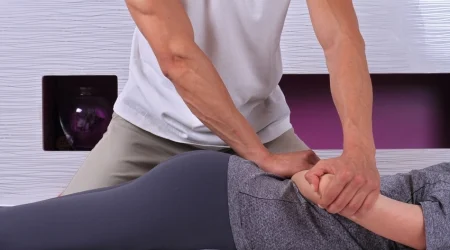
Manual Therapy
The purpose is to reduce discomfort, improve range of motion, and support circulation. These goals are achieved through gentle, hands-on techniques such as joint mobilisation and soft tissue release. These approaches are carefully applied to ease stiffness, improve movement quality, and support overall functional recovery.
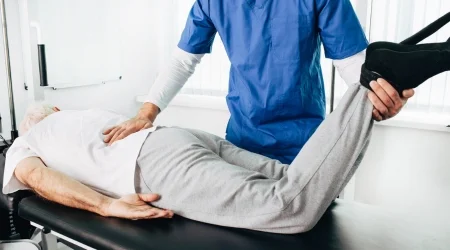
Therapeutic Exercises
Personalised exercise plan that aims to increase the flexibility, endurance, and strength of an individual. The exercise plan is carefully monitored and adapted according to the progress of an individual.

Balance and Coordination
The Physiotherapy input will include specific training to avert falls and improve stability. Physiotherapists may use stability balls, balance boards, and outdoor activities such as walking on an uneven surface.
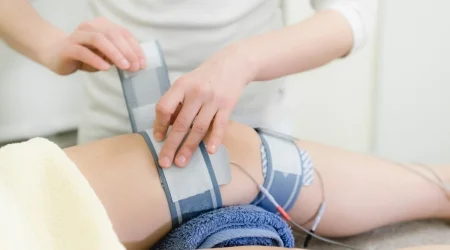
Functional Electrical Stimulation (FES)
Electrical currents are used to assist in improving the muscle strength and suppleness to prevent spasticity and contractures. FES input in early stroke has strong evidence in improving the muscle activity.

Gait Training
Mobility progressions and training are inherent parts of neuro-rehabilitation. Neuro-physiotherapists work on improving the gait pattern and reducing the risk of developing compensatory techniques. They also provide advice and training on use of appropriate mobility aids.
How Can We Help You Recover from Neurological Conditions with Specialist Rehabilitation?
Properly organised rehabilitation programmes for patients having neurological conditions play an important part in their long-term recovery and independence.
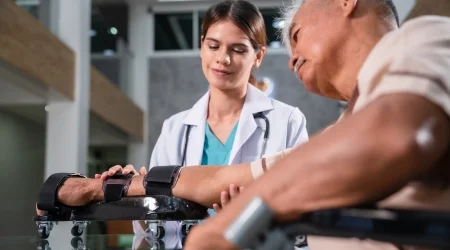
Rehabilitation in Stroke (CVA)
This involves evidence based techniques, guided exercises and activities designed to help individuals regain movement and functional abilities. The process focuses on the development and improvement of motor skills, retraining sensory functions, and enhancing overall strength, balance, and coordination to support independence in daily life.

Management of Parkinson’s Disease:
Mobility improvement, stiffness reduction, and coordination difficulties are some of the key challenges faced by individuals living with Parkinson’s disease. Physiotherapy plays a vital role in managing these symptoms and supporting long-term functional independence. Various exercise programmes, such as the Parkinson’s Warrior Programme, are specifically designed to improve mobility, coordination, balance, posture, and overall strength. Regular, structured exercise is an essential part of ongoing management, to maintain functional ability, reducing the risk of falls, improving gait pattern and movement efficiency.
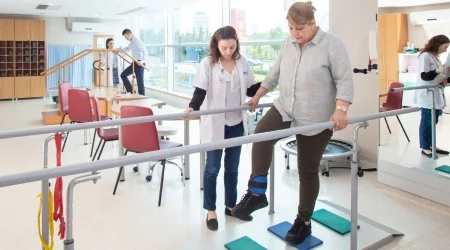
Physiotherapy Management in Multiple Sclerosis
Physiotherapy input is designed to address fatigue, reduce muscle tightness, and enhance mobility in individuals living with Multiple Sclerosis. Following detailed assessment, neuro-physiotherapist develops a bespoke rehabilitation programme including energy conservation techniques to manage fatigue. In addition, targeted muscle strengthening exercise plan is also incorporated to improve coordination and dynamic balance, movement control, reducing the risk of falls, and support greater independence in daily activities.
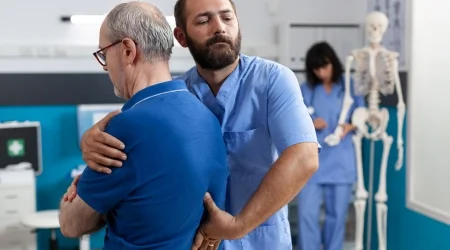
Rehabilitation Following Spinal Cord Injury
Neuro-physiotherapy in spinal cord injury focuses on improving mobility, enhancing functional abilities, and supporting overall quality of life. This is achieved through a personalised plan focussed at individual’s needs and wishes. The rehabilitation plan consists of exercises to strengthen muscles, improve balance, and maintain joint range of motion. Special emphasis is also placed on preventing respiratory complications, managing pain effectively, and reducing secondary complications. In addition, individuals are given education and training in practical techniques aimed at achieving independence, adapting to new challenges, and confidence building in everyday activities and long-term recovery.

Rehabilitation Following Traumatic Brain Injury
Neuro-physiotherapy plays a central role in recovery following a traumatic brain injury (TBI), with a strong focus on improving function and supporting long-term independence. The primary goals of physiotherapy include enhancing coordination, motor skills, balance, and overall physical control. This is achieved through structured exercises designed to stimulate neuroplasticity, helping the brain relearn and reorganise movement patterns. A personalised rehabilitation plan is developed, which includes balance retraining, gait training and progression, strengthening exercises, and techniques to improve fine motor skills and upper limb function. Functional task practice is also incorporated to help transfer improvements into real-life activities.With specialised physiotherapy input, individuals can make meaningful improvements in physical abilities, which can then be carried over into activities of daily living, ultimately enhancing independence and quality of life
Why Personalised Programs Matters?
Personalised rehabilitation plans are essential because individual needs vary, and one size doesn’t fit all. A customised approach ensures that the therapy input is targeted towards the specific issues identified and goals set up by the individual that are important to them. The goal -orientated approach ensures that individual gets quality treatment which helps in optimum recovery.

Why Choose Us for Neurological Physiotherapy?
Track Record
Our Physiotherapists are fully qualified and have a wealth of experience in Neurological Conditions. All our Physios are HCPC and CSP registered and have been working with NHS and well as with UKhomephysio Ltd. For several years. Our five-star rating shows our commitment to patient care at every level.

Qualifications of Our Team
Fully Qualified: We have fully qualified, highly experienced, HCPC and CSP registered Physiotherapists in our team who have developed expertise in neuro-physiotherapy through experience as well as appropriate post-graduate training.
Continuing professional development: We make ongoing professional development a top priority to ensure that our team adopts evidence based approach based on latest research and development.

Personalised Care
We believe individually tailored treatment plans work best to ensure a custom approach that considers their specific condition, aims, and likes. This personal touch helps to provide the most effective treatment with positive outcome.
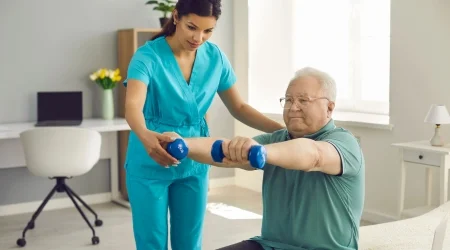
Patient-Centred Approach
Goal Setting: We work with the patients and make a shared decisions on goal settings. Our Physiotherapists develop an individualised treatment plan based on your own abilities to progress and desires.
Progress Monitoring: Checking progress often and modifying the treatment plan to ensure maximum improvement.
Patient Education: Our team also takes an effort to train the individuals, families and carers about transfer techniques as well as strategies for self-management to give them more control.

Holistic Approach
We adopt a holistic approach in which all the aspects are taken into consideration the physical, cognitive as well as mental aspects in recovery. The individual is seen as a whole and at the centre of the rehabilitation planning.

Collaborative Care
Multidisciplinary Teams: We work as part of a multi-disciplinary team to provide high quality treatment.
Family Involvement: We involve family members and carers in the rehabilitation process to give support and help in recovery.
Community Resources: We link patients with community resources and support groups to help them in their rehabilitation journey.

Frequently asked question
Neuro physiotherapy helps in recovery by improving neuroplasticity, enhancing strength, balance, mobility and function. Neuro Physiotherapists use individualised exercises to enhance motor function thus promoting independence after a stroke.
Neuro Physiotherapy helps in improving mobility and balance, thus reducing risk of falls. Your individualised exercise plan will help improve symptoms like stiffness and end enhance flexibility. Regular Physio sessions in Parkinson’s can improve functional independence and improve quality of life.
Early intervention within 24-48 hours after a neurological injury promotes Neuroplasticity, reduce muscle stiffness and improve functional impairment. Thus, Physiotherapy needs to begin as soon as possible to maximise recovery potential.
Sessions include manual therapy therapeutic exercises, gait training, balance training, FES, and cognitive rehabilitation to help improve strength, mobility and function.
Neuro physiotherapy can improve balance and coordination through specific and individualised exercises. The aim is to strengthen muscles, reducing risk of falls and improve stability.
Sessions run from 45 minutes to an hour, depending on individual needs.
Yes, it helps children and is adjusted to fit their growth needs. Neuro physiotherapy can improve balance and coordination through specific and age-appropriate exercises.